
 +40 264 305 907







Stay up to date
with our new offers
Subscribe to our newsletter and never miss our latest news and promotions.
Our newsletter is sent once a week, every Tuesday.
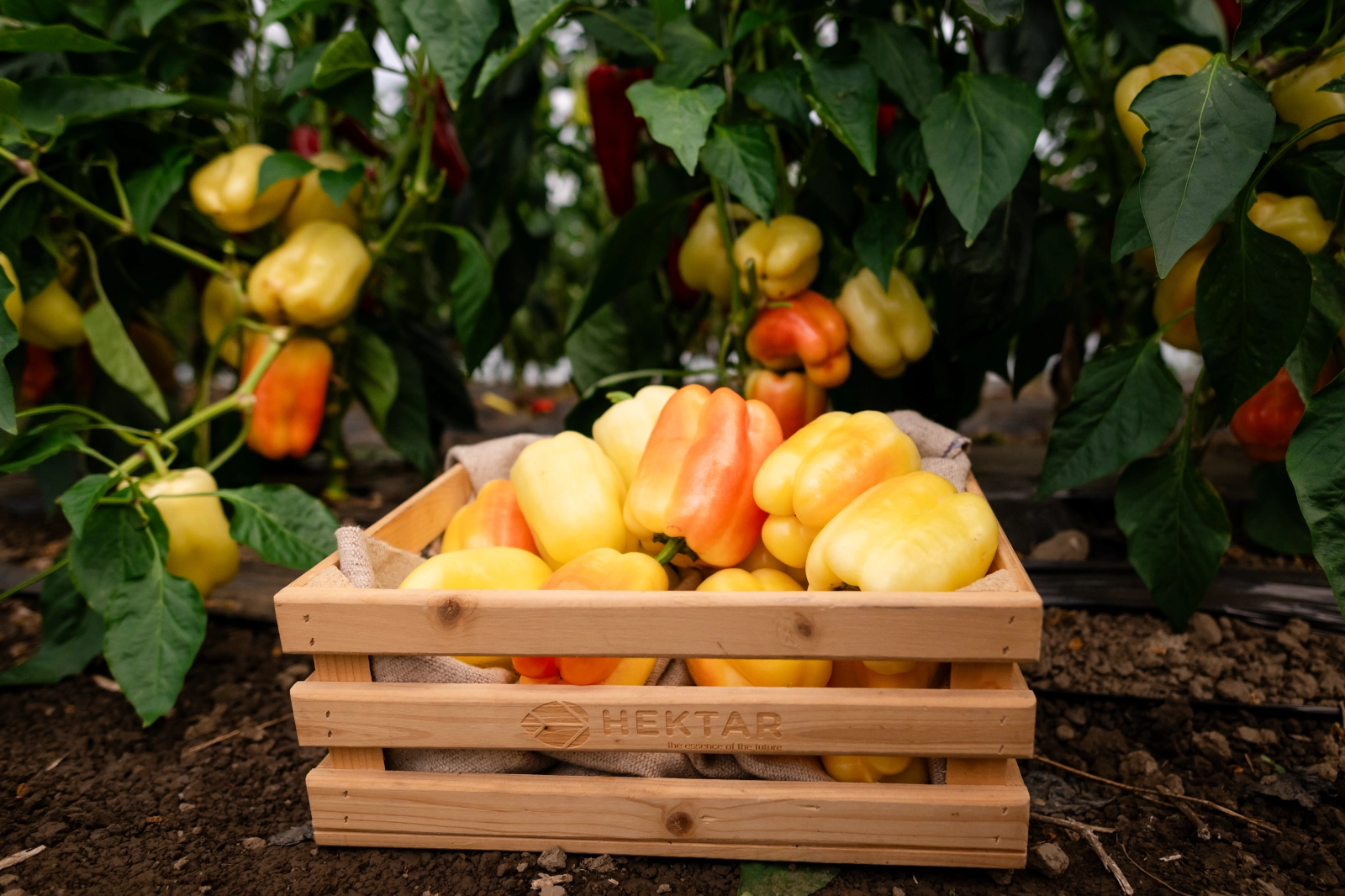
 Pepper
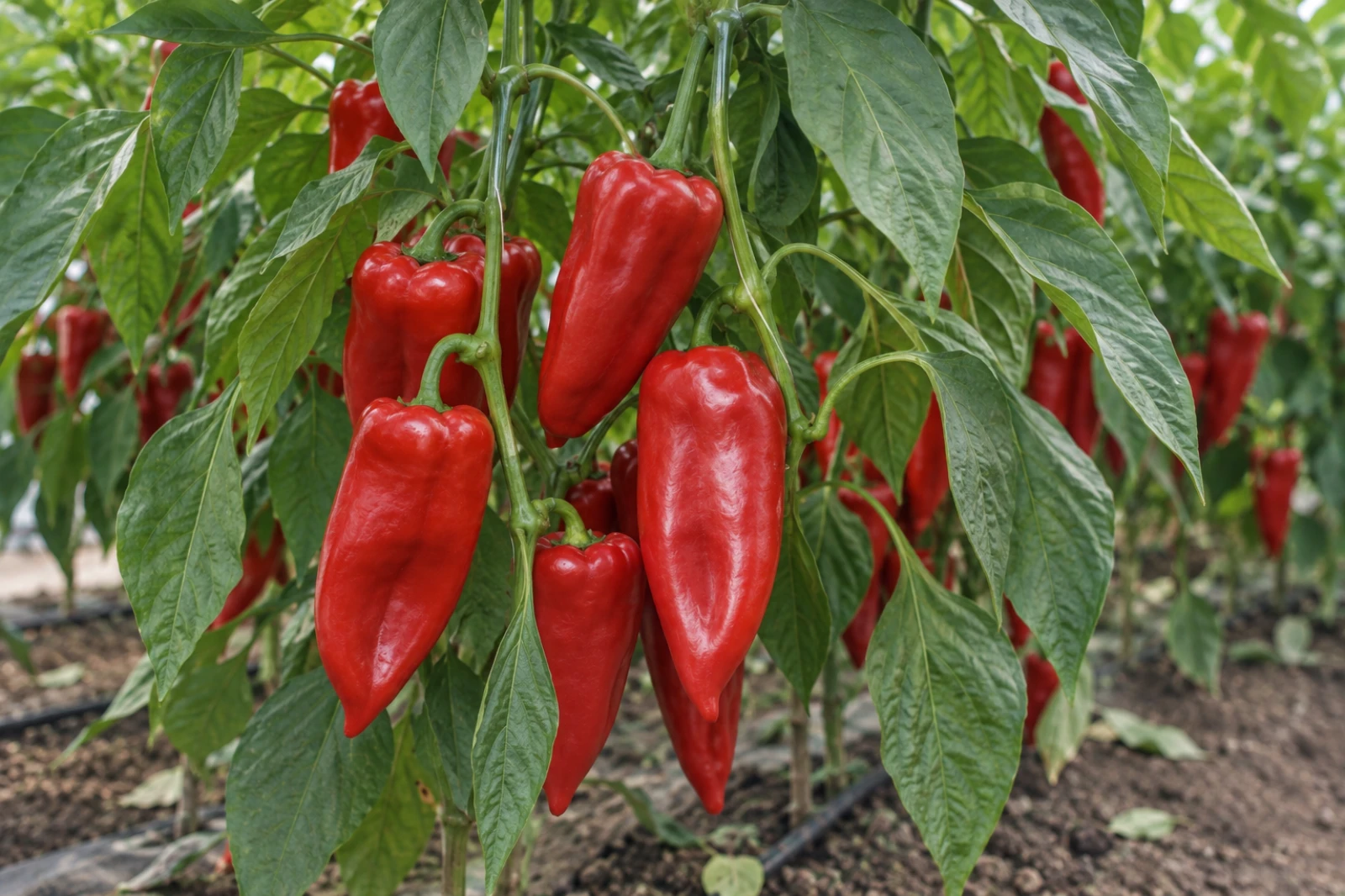 Pepper
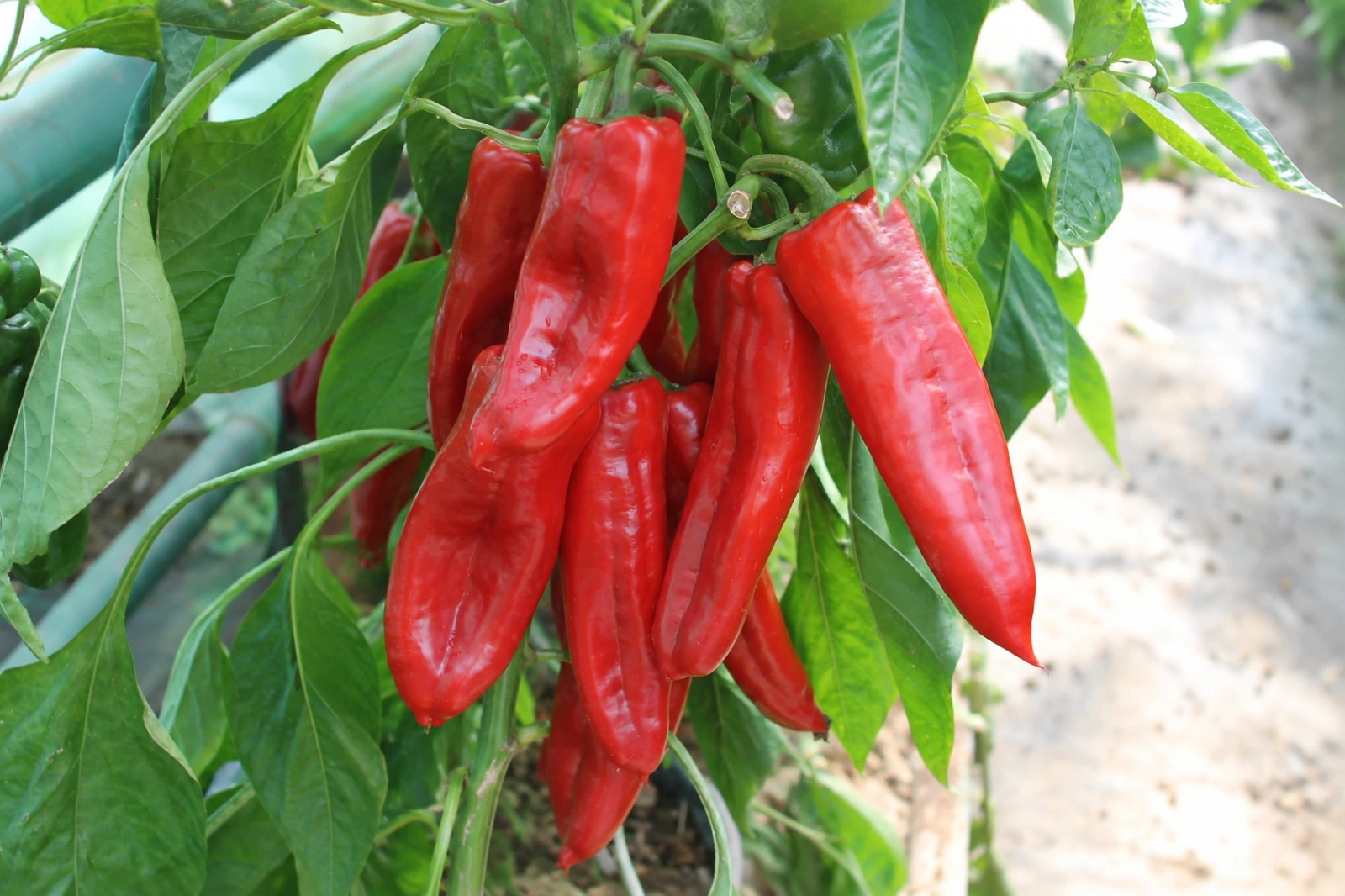 Pepper
 Pepper
 Pepper
 Pepper
 Pepper
 Pepper
 Pepper
 Pepper
 Pepper
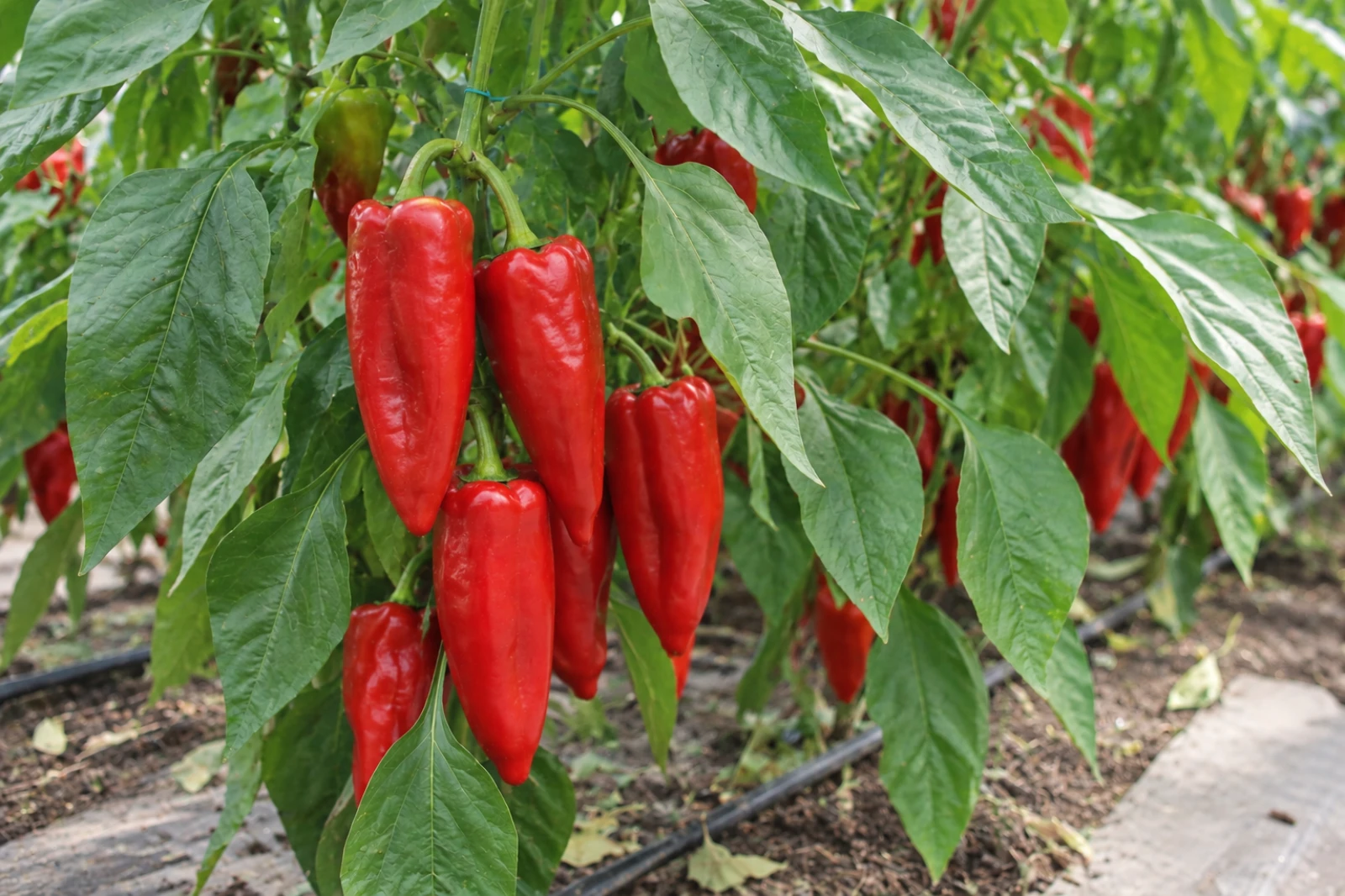
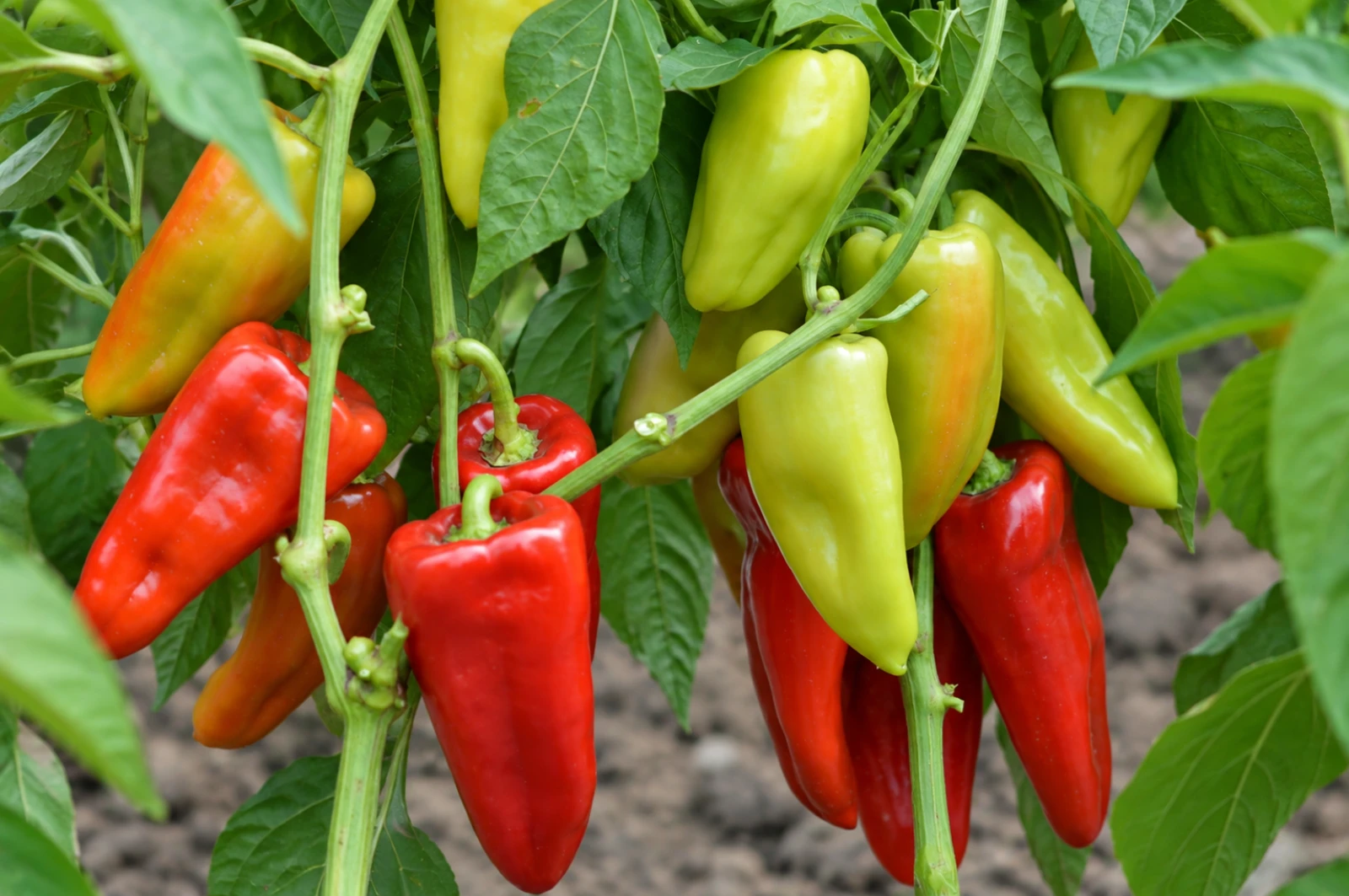 Pepper
Growing vegetables in a monoculture system has a negative impact on the cultivation environment, product quality, and the productivity of vegetable species. Several specialists report an increase in the aggressiveness of diseases caused by pathogens that persist in the soil (Pythium sp., Phytophthora sp., Rhizoctonia sp., Fusarium, Helminthosporium, Verticillium) as a result of growing the same species repeatedly on the same land. Therefore, to avoid the appearance of these soil-borne pathogens, seedlings must be grafted.
Tuta absoluta, also known as the tomato leaf miner, is a harmful insect that can cause severe damage to tomato crops and other plants from the Solanaceae family. To prevent infestation with Tuta absoluta, you can take the following measures: – choosing resistant hybrids; – crop rotation; – regular monitoring; – using pheromone traps; – using protective nets; – maintaining garden hygiene; – applying biological control with predators such as Macrolophus pygmaeus and Trichogramma achaeae
Common vegetables (e.g., tomatoes, peppers, eggplants): 20°C – 25°C; Leafy greens (e.g., lettuce, spinach, parsley): 15°C – 20°C; Aromatic herbs (e.g., basil, mint, oregano): 20°C – 25°C; Leafy vegetables (e.g., cabbage, cauliflower, broccoli): 15°C – 20°C; Cucurbits (e.g., zucchini, cucumbers, melons): 25°C – 30°C
TSWV – Tomato spotted wilt virus, transmitted by thrips; CMV – Cucumber mosaic virus, transmitted by aphids (Myzus persicae); AMV – Alfalfa mosaic virus, transmitted by aphids; BCMV – Bean common mosaic virus; BYMV – Bean yellow mosaic virus; TYLCV – Tomato yellow leaf curl virus; ToBRFV – Tomato brown rugose fruit virus; Tm2 – Tobacco mosaic virus; Tm3 – Pepper mottle virus; ToMV – Tomato mosaic virus; CVYV – Cucumber vein yellowing virus; CYSDV – Cucumber yellowing and stunting virus; CeMV – Celery mosaic virus